اطلاعات آموزشی راجع به همه چیز
بازتابی از اطلاعات مختلف اینترنتیاطلاعات آموزشی راجع به همه چیز
بازتابی از اطلاعات مختلف اینترنتیدروازه جنوبی تجارت و دنیای کد؛ از شلمچه تا اندروید استودیو
در میان مرزهای فعال ایران و عراق، مرز شلمچه در استان خوزستان جایگاهی ویژه و استراتژیک دارد. این گذرگاه که در ۱۵ کیلومتری جنوب غربی شهر خرمشهر واقع شده، به عنوان یکی از مهمترین و پرترددترین معابر مرزی میان دو کشور شناخته میشود و سالانه پذیرای میلیونها زائر و حجم عظیمی از کالاهای صادراتی و وارداتی است. شلمچه از دیرباز به دلیل نزدیکی به شهر بصره، بندر امقصر و سایر مناطق جنوبی عراق، به عنوان دروازه تجارت با جنوب همسایه غربی محسوب میشود و نقش کلیدی در تأمین کالاهای مصرفی، مصالح ساختمانی و محصولات کشاورزی برای استانهای جنوبی عراق ایفا میکند.
موقعیت جغرافیایی ممتاز مرز شلمچه، آن را به مسیری ایدهآل برای صادرات کالا به شهرهایی مانند بصره، ناصریه، عماره و حتی کربلا و نجف تبدیل کرده است. فاصله کوتاه تا این شهرها (بصره حدود ۶۰ کیلومتر و کربلا حدود ۴۰۰ کیلومتر)، هزینه حمل را به شکل قابل توجهی کاهش میدهد و زمان ترانزیت را به حداقل ممکن میرساند. زیرساختهای این مرز در سالهای اخیر بهبود چشمگیری یافته است و احداث پایانههای مدرن، توسعه پارکینگهای کامیونها و راهاندازی سیستمهای الکترونیکی اظهارنامه، فرآیند ترخیص کالا را سریعتر و شفافتر کرده است . با این حال، ازدحام سنگین در ایام خاص مانند اربعین و گاهی کمبود تجهیزات کنترلی پیشرفته، از جمله چالشهایی است که فعالان اقتصادی با آن مواجه هستند و نیازمند برنامهریزی دقیق و هماهنگی قبلی با شرکتهای باربری و ترخیصکاران است.
برای صادرات کالا از مرز شلمچه، مدارک متعددی لازم است که آگاهی از آنها، کلید موفقیت در این مسیر محسوب میشود. فاکتور تجاری با ذکر دقیق واحد و ارزش هر قلم کالا، لیست بستهبندی (Packing List)، گواهی مبدأ تأیید شده توسط اتاق بازرگانی، بارنامه (CMR) و اظهارنامه گمرکی، از جمله اسناد پایهای هستند که هر محموله صادراتی باید به همراه داشته باشد. بسته به نوع کالا، دریافت گواهیهای تکمیلی نیز ضروری است؛ برای محصولات غذایی، گواهی بهداشت و مهر حلال، برای محصولات صنعتی، گواهی استاندارد و برای بسیاری از کالاها، گواهی انطباق (COC) از نهادهای معتبری مانند SGS و Bureau Veritas که تأیید میکند کالا با استانداردهای ملی عراق (IQS) مطابقت دارد. همچنین، برچسبگذاری دو زبانه (عربی و انگلیسی) با ذکر تاریخ تولید، انقضا و ترکیبات، از دیگر الزامات گمرک عراق است که در صورت نقص، میتواند محموله را روزها در مرز معطل کند.
در همین حال، اگر از دنیای فیزیکی تجارت و صادرات فاصله بگیریم و به عرصه دیجیتال نگاه کنیم، با حوزهای روبرو میشویم که نقش روزافزونی در مدیریت و بهبود فرآیندهای تجاری و شهری ایفا میکند. یادگیری اندروید استودیو به عنوان یکی از پرمتقاضیترین مهارتهای حوزه برنامهنویسی موبایل، دریچهای به سوی ساخت اپلیکیشنهای هوشمند برای تسهیل تجارت و مدیریت شهری باز میکند. اندروید استودیو، محیط توسعه یکپارچه (IDE) رسمی گوگل برای برنامهنویسی اندروید است که مبتنی بر IntelliJ IDEA ساخته شده و امکانات گستردهای مانند شبیهساز قدرتمند، سیستم بیلد مبتنی بر Gradle و یکپارچگی با GitHub را در اختیار توسعهدهندگان قرار میدهد . نصب این نرمافزار و آشنایی با محیط آن، اولین گام عملی برای ورود به دنیای کدنویسی موبایل محسوب میشود.
مسیر یادگیری اندروید استودیو، با مفاهیم سادهای مانند نصب نرمافزار، ساخت اولین پروژه با قالب Empty Activity و آشنایی با ساختار پوشهها و فایلهای اصلی شروع میشود. هنرجو در ادامه، با مفاهیم کلیدی مانند چرخه حیات اکتیویتیها، کار با ویجتهای ساده (مانند TextView، EditText و Button)، مدیریت رویدادها (مانند کلیک دکمه) و راهاندازی اپلیکیشن روی شبیهساز یا دستگاه واقعی آشنا میشود. با پیشرفت دوره، مفاهیم پیشرفتهتری مانند طراحی رابط کاربری با Jetpack Compose، کار با پایگاههای داده محلی (Room Database)، اتصال به سرور با کتابخانه Retrofit و مدیریت دادهها با ViewModel، به هنرجو آموزش داده میشود. این تکنولوژیها به برنامهنویس امکان میدهند تا اپلیکیشنهایی حرفهای، مقیاسپذیر و با قابلیت نگهداری بالا تولید کند. بسیاری از دورههای آموزشی موجود، از جمله دورههای رایگان و تعاملی مایکروسافت، این مسیر را به صورت پروژهمحور و گامبهگام آموزش میدهند و هنرجو را برای ورود به بازار کار آماده میکنند.
اهمیت یادگیری اندروید استودیو در این است که برنامهنویسان میتوانند اپلیکیشنهایی بسازند که فرآیندهای پیچیدهای مانند مدیریت محمولههای صادراتی در مرزی مانند شلمچه را سادهتر و شفافتر کنند. برای نمونه، یک اپلیکیشن رهگیری کامیونها که موقعیت دقیق محموله را به صادرکننده و واردکننده نشان میدهد، یا سامانهای که وضعیت ترخیص کالا در گمرک را بهروزرسانی میکند، همگی با استفاده از مهارتهایی که در اندروید استودیو آموخته میشوند، قابل پیادهسازی هستند. همچنین، این اپلیکیشنها میتوانند به مدیریت اطلاعات مربوط به مدارک گمرکی، هشدارهای مربوط به تاریخ انقضای مجوزها و حتی اطلاعرسانی هزینههای دموراژ کمک کنند و از بروز تأخیرهای ناخواسته جلوگیری نمایند. در واقع، همافزایی بین مهارت آموزش برنامه نویسی و دانش تجارت، به تولید ابزارهایی منجر میشود که کارایی و شفافیت فرآیندهای صادراتی را به شکل قابل توجهی افزایش میدهند و هزینههای عملیاتی را کاهش میدهند.
در کنار مباحث دیجیتال، تجارت از مرز شلمچه همچنان به عنوان یک فرصت طلایی برای صادرکنندگان ایرانی باقی مانده است. کالاهای پرمصرفی مانند مصالح ساختمانی (سیمان، گچ، آهنآلات)، محصولات کشاورزی (خرما، مرکبات، سبزیجات)، مواد غذایی (رب گوجهفرنگی، کنسروها، روغن) و قطعات خودرو، از جمله اقلامی هستند که از این مرز به جنوب عراق صادر میشوند و تقاضای بالایی در بازار بصره و شهرهای اطراف دارند. برای موفقیت در این مسیر، همکاری با یک شرکت باربری معتبر که تجربه کافی در مسیر شلمچه و آشنایی کامل با قوانین گمرکی عراق داشته باشد، بسیار حیاتی است. همچنین، برنامهریزی دقیق برای زمانبندی ارسال کالا و آمادهسازی کامل مدارک، میتواند از بروز تأخیرها و هزینههای ناخواسته مانند هزینه دموراژ جلوگیری کند. در این میان، استفاده از اپلیکیشنهای موبایل که توسط برنامهنویسانی با دانش اندروید استودیو ساخته شدهاند، میتواند فرآیند رهگیری و مدیریت محموله را شفافتر و کارآمدتر کند و تجربه بهتری را برای صادرکنندگان و واردکنندگان به ارمغان آورد.
در نهایت، همه این حوزهها از مرز شلمچه که به عنوان دروازه جنوبی تجارت با عراق شناخته میشود تا یادگیری اندروید استودیو که زیرساخت دیجیتال مدیریت تجارت و حملونقل را شکل میدهد، در یک زنجیره به هم پیوسته قرار دارند. آگاهی از مسیرهای تجاری و تسلط بر ابزارهای دیجیتال، میتواند به موفقیت و ماندگاری در هر دو عرصه کمک کند و زمینهساز توسعه اقتصادی و بهبود کیفیت خدمات در کشورهای همسایه باشد.
جادههای اربیل و سلیمانیه؛ سفری از مرز تا نیمکتهای پارکی
در میان مرزهای متعدد ایران و عراق، دو مرزی تمرچین و خسروی جایگاه ویژهای در تجارت و تردد مسافران دارند. مرز تمرچین در شهرستان پیرانشهر (استان آذربایجان غربی) واقع شده و تنها مرز این استان با اقلیم کردستان عراق محسوب میشود . این مرز که به دلیل آبوهوای خوش و امکانات رفاهی مناسب، به عنوان زیباترین مرز ایران و عراق شناخته میشود، دسترسی مستقیمی به شهر چومان در استان اربیل دارد و فاصله آن تا اربیل حدود ۱۴۰ کیلومتر است .
در مقابل، مرز خسروی در شهرستان قصر شیرین (استان کرمانشاه) قرار دارد و به عنوان نزدیکترین مرز به تهران شناخته میشود . این مرز که فاصله آن تا کربلا حدود ۳۰۰ کیلومتر است، از مسیرهای اصلی برای سفرهای زیارتی و تجاری به مرکز و جنوب عراق محسوب میشود و از طریق شهر مندلی در استان دیاله به بغداد و کربلا متصل میگردد .
هر دو مرز از نظر موقعیت استراتژیک، اهمیت ویژهای دارند. تمرچین دروازه ورود به شمال عراق و اقلیم کردستان است و برای ارسال بار به اربیل و سلیمانیه، گزینهای ایدهآل محسوب میشود. خسروی نیز به دلیل نزدیکی به تهران و دسترسی به مرکز عراق، برای صادرات کالاهای صنعتی و کشاورزی به بغداد و کربلا بسیار مناسب است. در سالهای اخیر، با بهبود زیرساختهای مرزی و افزایش همکاریهای تجاری، حجم تبادل کالا از این دو گذرگاه رشد قابل توجهی داشته است و انتخاب هرکدام، بستگی به مقصد نهایی کالا و نوع محموله دارد.
حالا اگر از مسیرهای تجاری فاصله بگیریم و به فضاهای شهری نگاه کنیم، یکی از اصلیترین المانهایی که با کیفیت زندگی شهروندان گره خورده، نیمکتهای پارکی و شهری هستند. نیمکت پارکی به عنوان یکی از پرکاربردترین اجزای مبلمان شهری، در بوستانها، پیادهروها و فضاهای سبز نصب میشود و مکانی برای استراحت، تعامل اجتماعی و لذت بردن از طبیعت فراهم میآورد . طراحی و ساخت این نیمکتها باید به گونهای باشد که ضمن هماهنگی با فضای سبز، راحتی و ارگونومی کاربران را نیز تضمین کند. ارتفاع استاندارد نشیمنگاه حدود ۴۵ سانتیمتر از سطح زمین، عمق آن ۴۰ تا ۵۰ سانتیمتر، و زاویه پشتی ۱۰ تا ۱۵ درجه، از جمله معیارهایی است که یک نیمکت پارکی استاندارد باید داشته باشد .
نیمکت شهری نیز در خیابانها، میادین، ایستگاههای اتوبوس و فضاهای عمومی پرتردد نصب میشود و معمولاً از موادی با دوام بالاتر مانند بتن مسلح یا فولاد ضدزنگ ساخته میشود تا در برابر استفاده مداوم و شرایط جوی مقاومت کند . تفاوت اصلی نیمکت شهری با نیمکت پارکی در این است که نیمکتهای شهری برای فضاهای باز و پررفتوآمد طراحی میشوند و به استحکام و دوام بیشتری نیاز دارند، در حالی که نیمکتهای پارکی بر زیبایی و هماهنگی با طبیعت تأکید دارند و معمولاً از چوب یا ترکیب چوب و فلز ساخته میشوند.
وقتی صحبت از ساخت نیمکت پارکی میشود، فرآیندی تخصصی است که با انتخاب مواد اولیه مناسب آغاز میشود و تا نصب و اجرا ادامه مییابد. اولین گام، طراحی و تعیین ابعاد نیمکت بر اساس نیاز پروژه است. سپس، انتخاب متریال مناسب با توجه به شرایط آبوهوایی منطقه و میزان استفاده، صورت میگیرد. برای پارکهای شمال کشور که رطوبت بالایی دارند، استفاده از چوب ترموود یا چوب پلاست که در برابر پوسیدگی مقاوم هستند، توصیه میشود. در مناطق کویری و گرم، فلز گالوانیزه با پوشش ضدUV گزینههای مناسبتری هستند. مرحله بعد، برش، جوشکاری و مونتاژ قطعات است که باید با دقت و کیفیت بالا انجام شود تا نیمکت نهایی، استحکام و زیبایی لازم را داشته باشد. در نهایت، پوششدهی و رنگآمیزی نهایی، و سپس نصب در محل پروژه انجام میشود. بسیاری از تولیدکنندگان معتبر مبلمان شهری مانند صنایع روشنا و ایمن ترافیک، خدمات مشاوره، طراحی و نصب را نیز به مشتریان ارائه میدهند .
در میان انواع مختلف نیمکتهای پارکی، ترکیبی که بیش از همه مورد استقبال قرار گرفته، نیمکت پارکی چوب فلز است. این انتخاب هوشمندانه، بهترین ویژگیهای دو جنس متفاوت را در خود جمع کرده است. پایهها و تکیهگاههای فلزی که معمولاً از پروفیل فولادی گالوانیزه با پوشش الکترواستاتیک ساخته میشوند، استحکام و دوامی مثالزدنی در برابر زنگزدگی، ضربات احتمالی و شرایط جوی سخت فراهم میآورند . در مقابل، نشیمنگاه و پشتی که از چوب ترمووود، چوب پلاست (WPC) یا چوبهای سخت استوایی ساخته شدهاند، حس گرمی و صمیمیت را به فضا هدیه میدهند و از مشکلات رایج فلز مانند سوزش در تابستان یا سرمای آزاردهنده در زمستان جلوگیری میکنند. قیمت این نیمکتها معمولاً بین ۱۲ تا ۱۷ میلیون تومان متغیر است و بسته به نوع چوب، ضخامت فلز و طراحی، میتواند بیشتر یا کمتر شود .
در مقابل، نیمکت پارکی بتنی به عنوان نمادی از معماری مدرن و بروتالیستی، در فضاهای عمومی و پارکهای شهری به وفور دیده میشود . این نیمکتها که از بتن مسلح با میلگردهای فولادی و عیار بالا ساخته میشوند، مقاومت استثنایی در برابر ضربه، فشار، پوسیدگی و تغییرات دمایی شدید دارند. وزن بالای این نیمکتها، پایداری عالی در برابر باد و وزشهای شدید ایجاد میکند و امکان جابهجایی غیرمجاز را به حداقل میرساند . همچنین، نیمکتهای بتنی در برابر آتشسوزی مقاوم هستند و از گسترش آتش جلوگیری میکنند. این ویژگیها، سطلهای بتنی را به گزینهای ایدهآل برای فضاهای عمومی پرتردد و مناطق با شرایط جوی سخت تبدیل کرده است. نیمکتهای بتنی را میتوان با رنگهای مختلف تزئین کرد و طراحی آنها با توجه به نحوه قالبگیری، تنوع بالایی دارد . قیمت نیمکت بتنی پارکی بسته به ابعاد، طرح و کیفیت بتن مصرفی متغیر است و با توجه به نوسانات قیمت سیمان، بهتر است بهروز از تولیدکنندگان استعلام شود .
و اما قیمت نیمکت پارکی به عوامل متعددی بستگی دارد که درک آنها، به خرید هوشمندانه کمک میکند. اولین عامل، جنس و متریال است. نیمکتهای فلزی ساده معمولاً قیمت پایینتری دارند (حدود ۱۰ تا ۱۲ میلیون تومان)، در حالی که نیمکتهای چوب و فلز با چوب مرغوب، قیمتی بین ۱۲ تا ۱۷ میلیون تومان دارند . نیمکتهای بتنی نیز به دلیل وزن و حجم بالا، قیمتهای متفاوتی دارند که به ابعاد و طرح بستگی دارد. دومین عامل، ابعاد و ظرفیت نیمکت است؛ نیمکتهای دو نفره و سه نفره قیمتهای متفاوتی دارند. سومین عامل، طراحی و پیچیدگی ساخت است؛ نیمکتهای با طراحی اختصاصی و منحنیهای خاص، هزینه تولید بیشتری دارند. چهارمین عامل، نوع پوشش و رنگآمیزی است؛ گالوانیزه گرم و رنگ الکترواستاتیک کورهای، هزینه بیشتری نسبت به رنگ ساده دارند، اما دوام و طول عمر محصول را افزایش میدهند. همچنین، هزینه حمل و نصب نیز باید در بودجهریزی لحاظ شود. برای اطلاع از قیمت دقیق، بهتر است با تولیدکنندگان معتبر مانند ایمن ترافیک و صنایع روشنا تماس گرفته و بر اساس نیاز پروژه، استعلام دریافت کنید .
در کنار مبلمان شهری، دنیای دیجیتال نیز به کمک شهرها و کسبوکارها آمده است. اپلیکیشنهای موبایل، امروزه در مدیریت شهری، اطلاعرسانی به شهروندان و حتی فروش محصولات نقش کلیدی ایفا میکنند. ساخت اپلیکیشن اندروید به عنوان یکی از پرمتقاضیترین مهارتهای حوزه فناوری، دریچهای به سوی خلق ابزارهای هوشمند باز میکند. با این حال، نیازی به یادگیری کدنویسی پیچیده نیست. پلتفرمهای اپساز آنلاین مانند اپتو و پازلی، این امکان را فراهم کردهاند که بدون نوشتن حتی یک خط کد، اپلیکیشن حرفهای خود را در کمترین زمان ممکن بسازید . این پلتفرمها با ارائه قالبهای آماده، ماژولهای متنوع (مانند فروشگاه، نوبتدهی، خبری و پادکست) و دستیار هوش مصنوعی، فرآیند ساخت اپ را سادهتر از همیشه کردهاند . برای نمونه، یک شهرداری میتواند با استفاده از این ابزارها، اپلیکیشنی برای اطلاعرسانی وضعیت مرزها، مسیریابی زائران یا گزارش خرابیهای مبلمان شهری طراحی کند و به شهروندان خدمات بهتری ارائه دهد. هزینه ساخت اپلیکیشن با این پلتفرمها از حدود ۲ میلیون تومان برای نسخه پایه شروع میشود و تا ۲۰ میلیون تومان برای نسخه مادامالعمر با امکانات کامل متغیر است .
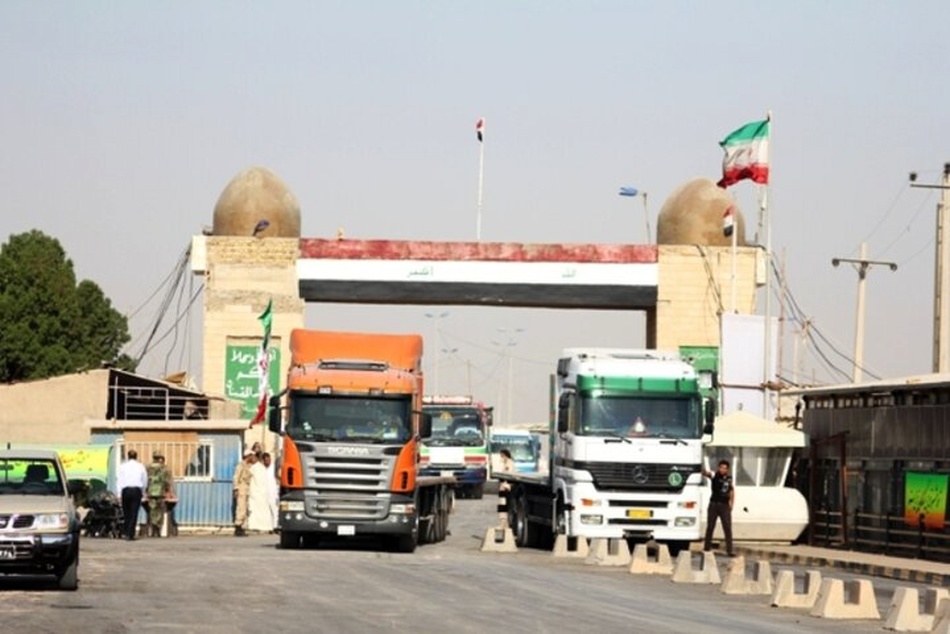
مرز شلمچه؛ یکی از مهمترین گذرگاههای تجاری و ارتباطی ایران و عراق
مرزهای زمینی همواره نقش مهمی در توسعه روابط اقتصادی، اجتماعی و فرهنگی میان کشورها داشتهاند. این گذرگاهها به عنوان نقاط اتصال میان ملتها عمل میکنند و مسیرهای اصلی تبادل کالا، مسافر و خدمات محسوب میشوند. ایران با داشتن مرزهای متعدد با کشور عراق، از ظرفیت بالایی برای تجارت و همکاریهای اقتصادی برخوردار است. در میان این گذرگاهها، مرز شلمچه به عنوان یکی از مهمترین مرزهای ایران در جنوب غربی کشور شناخته میشود که نقش قابل توجهی در تجارت و ارتباطات میان دو کشور دارد.
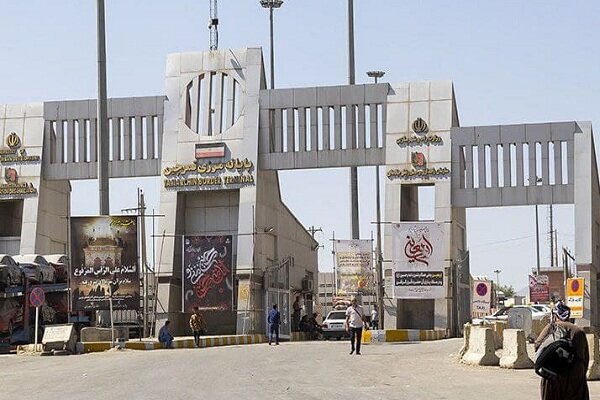
مرز تمرچین و مرز خسروی؛ دو گذرگاه مهم در تجارت و ارتباطات ایران با عراق
مرزهای زمینی همواره نقش مهمی در توسعه روابط اقتصادی، فرهنگی و اجتماعی میان کشورها داشتهاند. برای کشورهایی که با همسایگان خود مرز مشترک دارند، این گذرگاهها به عنوان مسیرهای حیاتی برای تبادل کالا، جابهجایی مسافر و توسعه همکاریهای منطقهای شناخته میشوند. ایران با داشتن مرزهای گسترده با کشور عراق، یکی از فعالترین مسیرهای تجاری در منطقه خاورمیانه را در اختیار دارد. در میان این مرزها، مرز تمرچین و مرز خسروی از جمله گذرگاههای مهمی هستند که نقش قابل توجهی در تجارت، حملونقل و ارتباطات میان دو کشور ایفا میکنند.
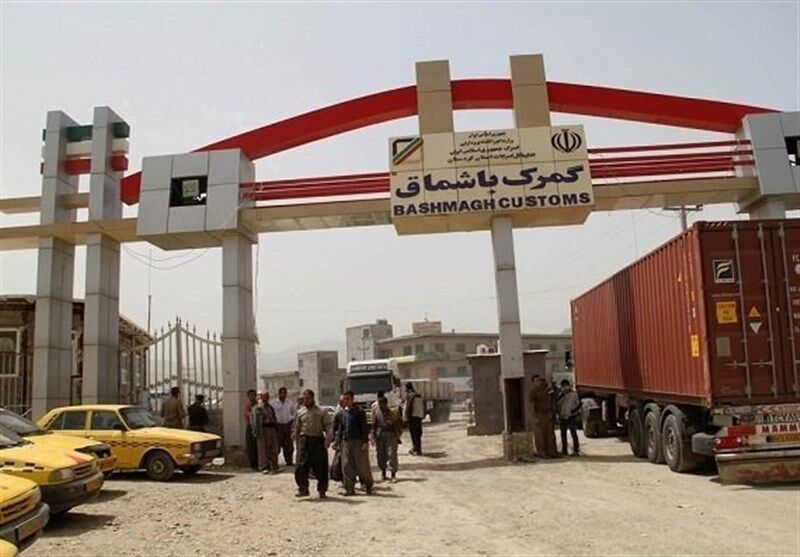
مرز باشماق؛ یکی از مهمترین مسیرهای تجارت ایران با اقلیم کردستان عراق
تجارت مرزی در بسیاری از کشورها یکی از مهمترین عوامل توسعه اقتصادی و گسترش روابط تجاری محسوب میشود. کشورهایی که با همسایگان خود مرزهای زمینی فعال دارند، معمولاً از فرصتهای اقتصادی گستردهای برای صادرات، واردات و ایجاد بازارهای مشترک بهرهمند میشوند. ایران نیز با توجه به موقعیت جغرافیایی خاص خود، دارای مرزهای فعال متعددی با کشورهای همسایه است که هر یک نقش مهمی در تبادلات اقتصادی دارند. در میان این گذرگاهها، مرز باشماق به عنوان یکی از مهمترین مسیرهای ارتباطی میان ایران و اقلیم کردستان عراق شناخته میشود و نقش مهمی در تجارت منطقهای ایفا میکند.