اطلاعات آموزشی راجع به همه چیز
بازتابی از اطلاعات مختلف اینترنتیاطلاعات آموزشی راجع به همه چیز
بازتابی از اطلاعات مختلف اینترنتیLogistic Company in Iraq: Building Reliable Supply Chains in a Complex Market
A logistic company in Iraq plays a central role in supporting trade, industrial activity, and economic development in one of the Middle East’s most strategically located countries. As Iraq continues to recover and modernize its infrastructure, logistics services have become essential for connecting international suppliers with local markets and ensuring the smooth flow of goods across borders and within the country.

Freight Forwarders in Iraq: Driving Trade and Supply Chain Efficiency in a Growing Market
Freight forwarders in Iraq play a vital role in connecting the country to global trade networks. As Iraq continues to rebuild its economy and expand its commercial relationships, freight forwarding services have become essential for managing complex transportation processes, cross-border trade, and supply chain coordination. From oil and gas projects to consumer goods and construction materials, freight forwarders act as the backbone of international and domestic logistics in Iraq.
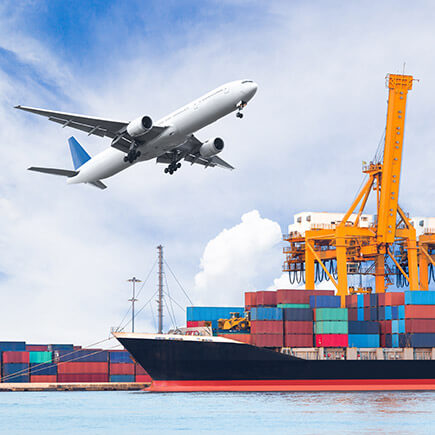
Logistic Company in Iraq
A logistic company in Iraq plays a critical role in the country’s economic recovery, infrastructure development, and regional trade connectivity. As Iraq continues to rebuild after decades of conflict and instability, the logistics sector has become one of the most important pillars supporting commerce, construction, oil and gas operations, and humanitarian supply chains. Understanding how logistics companies operate in Iraq, the challenges they face, and the opportunities ahead is essential for investors, businesses, and international partners.
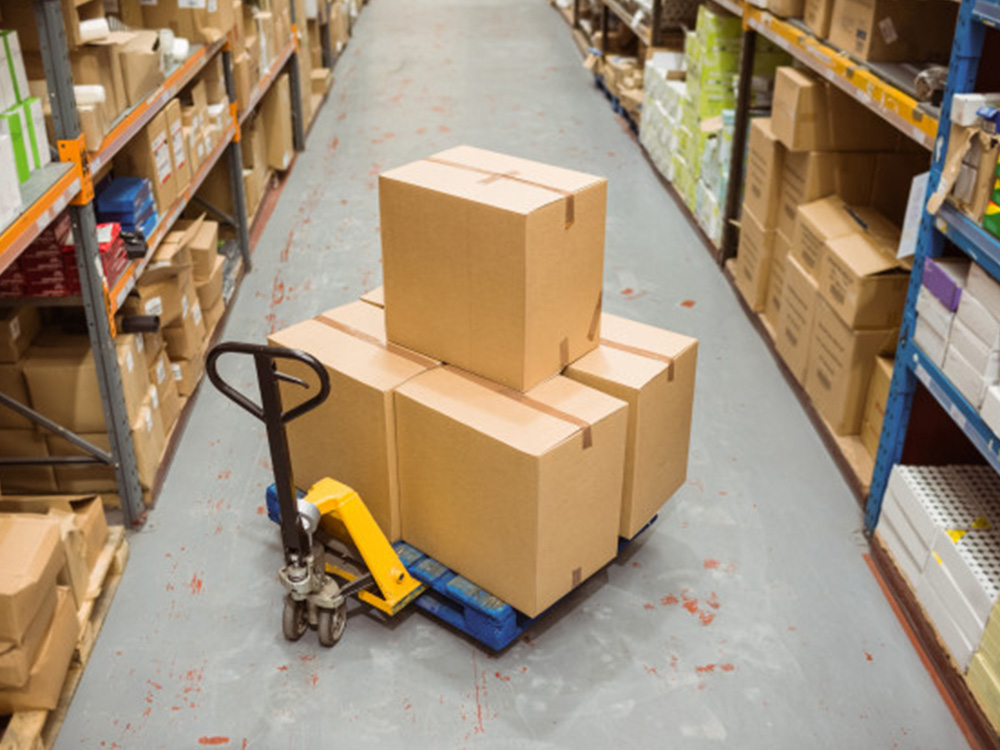
The Strategic Importance of a Logistic Company in Iraq
Iraq’s geographical position gives it a unique strategic advantage. Located at the crossroads of the Middle East, Iraq connects the Persian Gulf to Turkey, Iran, Syria, and Jordan. A well-structured logistic company in Iraq can serve as a regional hub for transporting goods between Asia, Europe, and the Arab world. This positioning makes logistics not just a support service, but a key driver of long-term economic growth.
Ports such as Umm Qasr, border crossings with neighboring countries, and major highways linking Baghdad, Basra, and Erbil are vital arteries for trade. Logistics companies manage these routes by coordinating transportation, warehousing, customs clearance, and last-mile delivery. Without efficient logistics services, even the most promising commercial projects struggle to succeed.
Core Services Offered by Logistics Companies in Iraq
A professional logistic company in Iraq typically provides a wide range of services tailored to the local market. These services often include freight forwarding, road transportation, sea and air cargo handling, customs brokerage, warehousing, and distribution. Many companies also specialize in project logistics, particularly for the oil and gas sector, which requires heavy equipment transportation and complex planning.
In recent years, logistics providers in Iraq have expanded into supply chain management and third-party logistics (3PL). This shift allows businesses to outsource logistics operations entirely, reducing costs and increasing efficiency. For international companies entering the Iraqi market, partnering with a local logistics company is often the safest and most effective way to navigate regulations and infrastructure limitations.
Challenges Facing a Logistic Company in Iraq
Despite the growing demand, operating a logistic company in Iraq is not without challenges. Infrastructure remains uneven across the country. While major cities and industrial zones have seen improvements, rural and remote areas still suffer from poor road conditions and limited transportation networks. Security concerns, although significantly reduced in recent years, can still impact certain routes and regions.
Another challenge is bureaucratic complexity. Customs procedures, documentation requirements, and regulatory inconsistencies can cause delays and increase operational costs. A successful logistics company must have deep local knowledge, strong relationships with authorities, and experienced staff to manage these complexities efficiently.
Additionally, workforce development is an ongoing issue. Skilled logistics professionals, especially those trained in modern supply chain technologies, are in short supply. Companies that invest in training and technology gain a significant competitive advantage.
Technology and Digital Transformation in Iraqi Logistics
Digitalization is gradually reshaping the role of a logistic company in Iraq. GPS tracking, warehouse management systems, digital documentation, and real-time communication tools are becoming more common. These technologies improve transparency, reduce errors, and enhance customer trust.
E-commerce growth, although still in its early stages in Iraq, is also pushing logistics companies to modernize. Faster delivery times, reliable tracking, and efficient returns management are now expected by customers. Logistics firms that adopt digital platforms early are better positioned to dominate the market as online retail continues to expand.
The Role of Logistics in Oil, Gas, and Construction Sectors
The oil and gas industry remains the backbone of Iraq’s economy, and logistics companies play a vital supporting role. A specialized logistic company in Iraq handles the transportation of drilling equipment, pipelines, machinery, and hazardous materials under strict safety standards. Precision, timing, and risk management are crucial in this sector.
Similarly, the construction industry relies heavily on logistics providers to move raw materials, heavy machinery, and prefabricated components. Large-scale infrastructure projects, including roads, power plants, and housing developments, depend on efficient logistics coordination to stay on schedule and within budget.
Opportunities for Growth and Investment
The future looks promising for any logistic company in Iraq that can adapt to changing market conditions. Government initiatives aimed at improving infrastructure, expanding ports, and modernizing border crossings are creating new opportunities. Increased foreign investment and regional trade agreements are also driving demand for reliable logistics services.
Free zones, industrial parks, and public-private partnerships offer additional growth potential. Companies that focus on sustainability, efficiency, and customer-centric solutions are likely to emerge as market leaders. Green logistics, optimized routing, and fuel-efficient fleets are becoming increasingly important as environmental awareness grows.
Conclusion: The Future of a Logistic Company in Iraq
In conclusion, a logistic company in Iraq is far more than a transportation provider; it is a key enabler of economic development and regional integration. While challenges related to infrastructure, regulation, and workforce skills remain, the overall trajectory of the logistics sector is positive. Companies that invest in technology, local expertise, and strategic partnerships will play a crucial role in shaping Iraq’s commercial future.
As Iraq continues its journey toward stability and growth, logistics will remain at the heart of progress. A strong, modern logistics industry has the power to connect markets, support industries, and position Iraq as a vital trade corridor in the Middle East.
بیشترین پروژههای اجراشده با پروتکلهای بیسیم هوشمند
در سالهای اخیر، استفاده از پروتکلهای بیسیم هوشمند به یکی از مهمترین روندهای صنعت هوشمند سازی ساختمان تبدیل شده است. رشد سریع ساختوساز، نیاز به کاهش هزینهها، سرعت بالای اجرا و امکان پیادهسازی بدون تخریب، باعث شده است بسیاری از پروژهها به سمت راهکارهای بیسیم حرکت کنند. شرکتهایی که بیشترین پروژههای اجراشده با پروتکلهای بیسیم هوشمند را در کارنامه خود دارند، نقش مهمی در توسعه این رویکرد نوین ایفا کردهاند.
پروتکلهای بیسیم هوشمند این امکان را فراهم میکنند که تجهیزات مختلف بدون نیاز به سیمکشی گسترده، با یکدیگر ارتباط برقرار کنند. این ویژگی بهویژه در پروژههای بازسازی، ساختمانهای قدیمی و فضاهایی که امکان تخریب وجود ندارد، اهمیت بسیار زیادی دارد.
آشنایی با پروتکلهای بیسیم هوشمند
پروتکلهای بیسیم هوشمند مجموعهای از استانداردها هستند که ارتباط میان تجهیزات هوشمند را از طریق امواج رادیویی برقرار میکنند. این پروتکلها برای کنترل روشنایی، تهویه، امنیت، پردهها و سایر تجهیزات ساختمانی مورد استفاده قرار میگیرند.
ویژگی اصلی این پروتکلها، انعطافپذیری بالا و سرعت نصب است. برخلاف سیستمهای سیمی، در پروتکلهای بیسیم نیازی به کابلکشی گسترده نیست و تجهیزات میتوانند در مدتزمان کوتاهی نصب و راهاندازی شوند.
دلایل افزایش پروژههای بیسیم در هوشمند سازی ساختمان
یکی از مهمترین دلایل رشد پروژههای مبتنی بر پروتکلهای بیسیم، کاهش هزینههای اجرا است. حذف یا کاهش سیمکشی، هزینه مصالح و نیروی انسانی را بهطور قابل توجهی کاهش میدهد.
عامل دیگر، سرعت بالای اجرا است. در بسیاری از پروژهها، زمان تحویل اهمیت زیادی دارد و راهکارهای بیسیم این امکان را میدهند که سیستمهای هوشمند در کوتاهترین زمان ممکن پیادهسازی شوند.
همچنین قابلیت توسعه آسان، یکی از مزایای مهم این پروتکلها است. در صورت نیاز به اضافه کردن تجهیزات جدید، بدون نیاز به تغییرات اساسی، میتوان سیستم را گسترش داد.
کاربرد پروتکلهای بیسیم در پروژههای مختلف
پروژههایی که بیشترین استفاده از پروتکلهای بیسیم را دارند، معمولاً شامل ساختمانهای مسکونی، اداری و تجاری هستند.
در ساختمانهای مسکونی، استفاده از سیستمهای بیسیم باعث میشود هوشمندسازی بدون ایجاد مزاحمت برای ساکنان انجام شود. این موضوع بهویژه در واحدهای در حال سکونت اهمیت زیادی دارد.
در ساختمانهای اداری و تجاری، پروتکلهای بیسیم امکان تغییر سریع چیدمان فضاها را فراهم میکنند. در صورت جابهجایی دیوارها یا تغییر کاربری فضاها، سیستمهای هوشمند بهراحتی قابل تنظیم مجدد هستند.
نقش تجربه اجرایی در موفقیت پروژهها
اجرای موفق پروژههای بیسیم نیازمند تجربه و دانش فنی بالا است. اگرچه نصب این سیستمها سادهتر به نظر میرسد، اما طراحی نادرست میتواند باعث کاهش پایداری یا اختلال در ارتباط تجهیزات شود.
شرکتهایی که بیشترین پروژههای اجراشده با پروتکلهای بیسیم هوشمند را دارند، معمولاً از تیمهای متخصص بهره میبرند که با نحوه طراحی شبکه بیسیم، مدیریت تداخل امواج و بهینهسازی پوشش ارتباطی آشنا هستند.
پایداری و امنیت در سیستمهای بیسیم
یکی از دغدغههای اصلی در استفاده از پروتکلهای بیسیم، پایداری و امنیت ارتباطات است. در پروژههای حرفهای، از راهکارهایی استفاده میشود که ارتباط میان تجهیزات پایدار و ایمن باقی بماند.
استفاده از رمزنگاری دادهها، شبکههای مش و مدیریت هوشمند ارتباطات، باعث میشود سیستمهای بیسیم بتوانند عملکردی قابل اعتماد داشته باشند. شرکتهای پیشرو در این حوزه، به این مسائل توجه ویژهای دارند.
مزایای اقتصادی پروژههای بیسیم
از نظر اقتصادی، پروژههای مبتنی بر پروتکلهای بیسیم بازگشت سرمایه مناسبی دارند. کاهش هزینههای اجرا، کاهش زمان نصب و کاهش هزینههای نگهداری، از جمله مزایای مهم این سیستمها هستند.
در بسیاری از پروژهها، کارفرمایان ترجیح میدهند بهجای صرف هزینه بالا برای زیرساختهای سیمی، از راهکارهای بیسیم استفاده کنند و در عین حال از امکانات کامل هوشمندسازی بهرهمند شوند.
آینده پروتکلهای بیسیم در هوشمند سازی ساختمان
با پیشرفت فناوریهای ارتباطی و افزایش تعداد تجهیزات هوشمند، آینده پروتکلهای بیسیم بسیار روشن است. این پروتکلها بهطور مداوم در حال بهبود هستند و پایداری، سرعت و امنیت آنها افزایش مییابد.
انتظار میرود در سالهای آینده، سهم پروژههای بیسیم در هوشمند سازی ساختمان بهطور چشمگیری افزایش یابد و به گزینهای اصلی برای بسیاری از پروژهها تبدیل شود.
جمعبندی
بیشترین پروژههای اجراشده با پروتکلهای بیسیم هوشمند نشاندهنده تغییر رویکرد صنعت ساختمان به سمت راهکارهای انعطافپذیر، سریع و مقرونبهصرفه است. این پروژهها با تمرکز بر کاهش هزینه، سرعت اجرا و قابلیت توسعه، نقش مهمی در گسترش هوشمند سازی ساختمان ایفا کردهاند. شرکتهایی که تجربه اجرای گسترده در این حوزه دارند، با دانش فنی و رویکرد حرفهای، مسیر آینده ساختمانهای هوشمند را هموار میکنند.
نقش امید در عبور از شکستها
شکست یکی از تجربههای مشترک در زندگی همه انسانهاست. هیچ فردی بدون مواجهه با ناکامی، اشتباه یا از دست دادن به مسیر رشد و موفقیت نمیرسد. آنچه افراد را از یکدیگر متمایز میکند، خودِ شکست نیست، بلکه نحوه مواجهه با آن است. در این میان، امید نقش کلیدی و تعیینکنندهای در عبور از شکستها و بازسازی روحیه فرد دارد.